
Top Tips for Successful Duck and Goose Hunts
- Benjamin Hoyer
- Nov 3, 2025
- 4 min read

Hunting ducks and geese offers a unique challenge that combines patience, skill, and knowledge of waterfowl behavior. Whether you are a seasoned hunter or just starting, improving your success rate requires more than just showing up with a shotgun. This guide shares practical tips to help you prepare, execute, and enjoy your duck and goose hunts with better results.

Understanding Waterfowl Behavior
Success starts with knowing your quarry. Ducks and geese have distinct habits that influence when and where they feed, rest, and fly.
Migration Patterns
Ducks and geese migrate seasonally, often following predictable routes. Research local migration timelines to plan your hunts during peak movement periods.
Feeding Times
Early morning and late afternoon are prime feeding times. Waterfowl leave their roosts at dawn to feed in fields or shallow waters and return near dusk.
Preferred Habitats
Ducks favor wetlands, marshes, and lakes with abundant vegetation. Geese often graze in open fields but rest in nearby water bodies.
By observing these patterns, you can select hunting spots where waterfowl are most likely to appear.
Choosing the Right Location
Picking the right location can make or break your hunt. Look for areas that provide food, shelter, and safety for ducks and geese.
Scout Before Hunting
Visit potential sites days or weeks before your hunt. Look for signs like feathers, droppings, and feeding damage on crops.
Use Public and Private Lands
Public wildlife refuges and state-managed wetlands offer good opportunities. If you have access to private land, seek permission and respect property rules.
Consider Weather and Wind
Waterfowl prefer to land and take off into the wind. Position yourself accordingly to increase your chances of a clean shot.
Setting Up Effective Decoys
Decoys play a crucial role in attracting ducks and geese within shooting range. The right setup mimics natural behavior and creates a convincing scene.
Use a Variety of Decoys
Combine different species and postures, such as feeding, resting, and alert decoys, to simulate a lively group.
Arrange in Natural Patterns
Avoid straight lines. Instead, create clusters or U-shaped spreads that invite birds to land in the center.
Add Motion
Use spinning-wing decoys or place a few decoys on water with gentle movement to catch attention.
Keep Decoys Clean and Well-Maintained
Dirty or faded decoys lose effectiveness. Rinse off mud and debris regularly.
Mastering Concealment and Camouflage
Waterfowl have sharp eyesight and can spot movement or unnatural shapes from far away. Staying hidden is essential.
Use Natural Cover
Hunt near reeds, cattails, or brush to blend into the environment.
Wear Appropriate Camouflage
Choose patterns that match the terrain and season. Avoid bright colors or shiny gear.
Minimize Movement and Noise
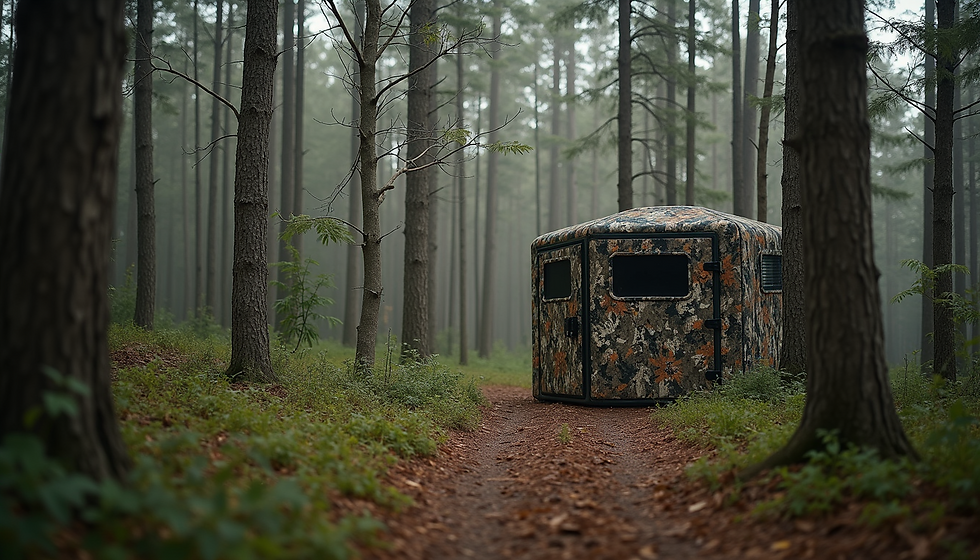
Stay still and quiet. Use a blind or layout boat to reduce your silhouette.
Control Your Scent
Use scent-eliminating sprays and avoid strong-smelling products.
Selecting the Right Gear
Having the proper equipment improves comfort and effectiveness during your hunt.
Shotgun and Ammunition
Use a reliable shotgun suited for waterfowl, typically 12 or 20 gauge. Choose non-toxic shot like steel or bismuth to comply with regulations.
Waders and Clothing
Waterproof waders keep you dry and warm. Dress in layers to adjust to changing weather.
Calls and Decoy Accessories
Practice with duck and goose calls to mimic sounds. Bring decoy anchors and weights to secure your setup.
Safety Equipment
Carry a life vest if hunting from a boat or deep water. Have a first aid kit and communication device.
Practicing Ethical Hunting
Respect for wildlife and regulations ensures sustainable hunting and a positive experience.
Know Local Laws
Check hunting seasons, bag limits, and permitted zones before heading out.
Aim for Clean Shots
Practice shooting to improve accuracy and reduce wounded birds.
Retrieve All Downed Birds
Use a dog or retrieve manually to avoid waste.
Respect Other Hunters and Landowners
Share space courteously and follow posted rules.
Tips for Calling Ducks and Geese
Calling can lure birds closer but requires skill and timing.
Learn Different Calls
Practice feeding, greeting, and comeback calls for ducks. For geese, use clucks, honks, and cackles.
Match the Situation
Use soft calls when birds are near and louder calls to attract distant flocks.
Avoid Overcalling
Too much noise can scare birds away. Use calls sparingly and listen for responses.
Timing Your Hunt for Best Results
Waterfowl activity varies throughout the day and season.
Arrive Early
Set up before first light to catch birds leaving their roosts.
Be Patient
Waterfowl may circle or hesitate before landing. Wait quietly for the right moment.
Adjust to Weather
Overcast, windy days often bring more movement. Avoid hunting in heavy rain or extreme cold.
Preparing for the Hunt
Good preparation reduces stress and increases success.
Check Equipment
Inspect firearms, calls, and decoys the day before.
Plan Your Route
Know how to access your hunting spot safely and legally.
Pack Essentials
Bring food, water, extra clothing, and navigation tools.
Inform Someone
Let a friend or family member know your plans and expected return.
After the Hunt: Processing and Storage
Handling your harvest properly preserves meat quality.
Field Dress Quickly
Remove entrails soon after retrieval to cool the bird.
Keep Birds Cool
Store in a cooler or hang in a shaded, ventilated area.
Clean and Store
Clean birds thoroughly before refrigeration or freezing.
Share and Respect
Consider sharing your harvest with family, friends, or local food programs.
Successful duck and goose hunting combines knowledge, preparation, and respect for nature. By understanding waterfowl habits, choosing the right locations, setting effective decoys, and practicing ethical hunting, you increase your chances of a rewarding experience. Take time to practice your calling, stay patient, and always prioritize safety. With these tips, your next hunt can be both enjoyable and fruitful. Happy hunting!


Comments