
Early Season Waterfowl Hunting Tips from a Professional Waterfowl Guide

Early season waterfowl hunting offers some of the best opportunities of the year—but only if you approach it differently than late season hunts. Birds are less pressured, weather is comfortable, and migration patterns are just beginning to take shape.
As a professional waterfowl guide service, Boundary Line Outfitters has learned that early season success depends on smart scouting, realistic setups, and disciplined hunting pressure. These early season waterfowl hunting tips will help you put more ducks and geese in range this season.
Scouting for Early Season Waterfowl Is the Key to Success
If there’s one thing that separates successful early season waterfowl hunts from slow mornings, it’s scouting.
Early season ducks and geese are highly patternable. They often roost on larger water and feed in very specific locations. Instead of relying on last year’s spots, focus on where birds are feeding today.
Early Season Waterfowl Scouting Tips:
Scout mornings and evenings when birds are actively moving
Watch where birds finish, not just where they fly
Prioritize fresh sign over historical locations
Finding where birds want to be right now dramatically increases your odds of a successful hunt.
Concealment Matters More Than Decoys Early in the Season
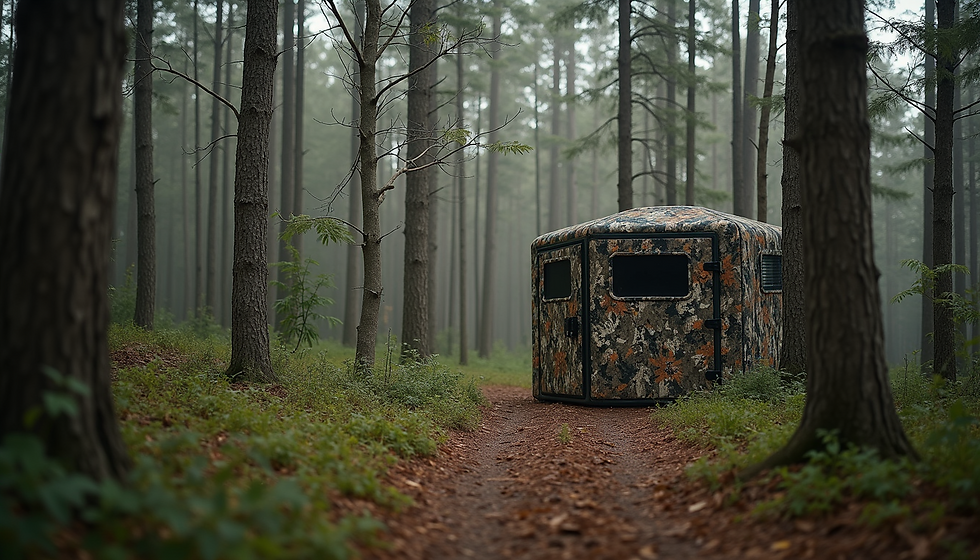
Early season birds have excellent eyesight and very little tolerance for mistakes. While decoys matter, your hide matters more.
Natural concealment consistently outperforms expensive gear when done correctly.
Improve Your Waterfowl Blind Setup By:
Blending blinds into surrounding vegetation
Eliminating hard edges and shadows
Staying completely still once birds are working
If birds flare at the last second, poor concealment is often the reason.
Use Less Calling During Early Season Duck and Goose Hunts
Early season waterfowl are relaxed and unpressured. Overcalling is one of the most common mistakes hunters make during September and October.
Let the birds dictate how much calling they want.
Early Season Calling Strategy:
Start with minimal calling
Use soft quacks, feeding chatter, or simple clucks
Call only to adjust bird flight paths—not to force them in
Many early season ducks commit best when the call stays quiet.
Run Smaller, More Realistic Decoy Spreads
Early season birds are often traveling in small family groups. Large, aggressive decoy spreads can look unnatural early in the year.
Instead, match what you’re seeing during scouting.
Early Season Decoy Setup Tips:
Use smaller, realistic spreads
Create clear landing zones
Match species, posture, and numbers
Confidence comes from realism—not oversized spreads.
Manage Hunting Pressure to Keep Birds Around
One of the biggest mistakes hunters make early in the season is over-hunting a good location. Even unpressured birds will relocate quickly if hunted too often.
Smart Pressure Management:
Limit hunts on the same field or marsh
Rotate locations when possible
End hunts early once bird activity slows
Protecting your best spots early leads to better hunting all season long.
Guided Early Season Waterfowl Hunts Done Right
Early season waterfowl hunting rewards hunters who focus on details—scouting, concealment, subtle calling, and pressure management. These are the same principles we follow on every guided hunt.
At Boundary Line Outfitters, our goal is simple: put hunters in the best possible position for success, every hunt, every season.
If you’re looking for a professional waterfowl guide service that takes early season hunting seriously, we’d be honored to have you in the blind.
Hunt smart. Hunt hard. Hunt the line.


Comments